
📑 Table of Contents
- 🔥 What's Happening Right Now in the US
- 💡 Why This Changes Everything For Your Wallet
- 📈 The Surprising Data (Trending Now)
- 💰 Best Options in Comparison (MONEY GENERATING SECTION)
- Top Choice 1: The Hybrid Personal Training Model (Why it wins)
- Alternative Choice 2: The Smart, Modular Home Gym with Expert-Curated Content (Budget/Premium)
- 📌 Expert Verdict & 2026 Outlook
Best Fitness 2026: The AI revolution promises peak performance, but a hidden truth could derail your gains and drain your wallet. Discover what Big Tech won't tell you.
💰 Secure Top Deal: Go straight to the offer →
💰 👉 Discover top deals now: Compare Meditation here
📍 More from this category: Fitness – All Articles
🔥 What's Happening Right Now in the US
💡 Editor's Recommendation:
Best Meditation 2026: Ultimate Comparison →
The year is 2026, and the American fitness landscape is a dizzying kaleidoscope of promises. Everywhere you look, Artificial Intelligence is touted as the ultimate game-changer, the secret sauce to unlocking your peak physical potential. From the gleaming smart gyms promising hyper-personalized workouts to the omnipresent AI fitness apps analyzing every heartbeat and calorie, the message is clear: embrace the machines, or be left behind.
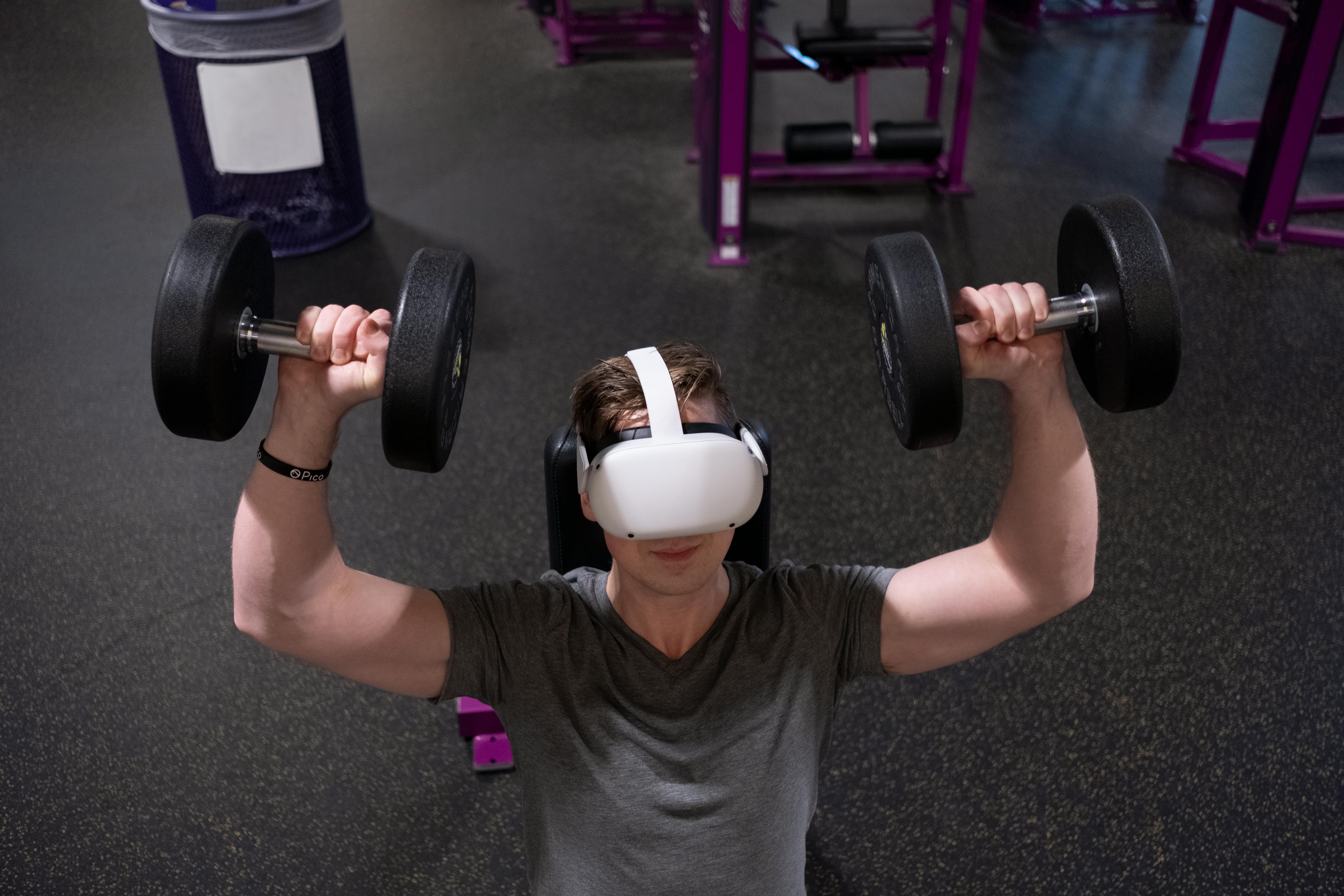
Walk into any major electronics store in the US, and you're bombarded with cutting-edge wearable tech that monitors everything from sleep patterns to blood oxygen, all feeding into sophisticated algorithms designed to "optimize" your health. Virtual reality fitness platforms are no longer niche novelties; they're mainstream, offering immersive experiences that promise to make your workouts feel less like a chore and more like an adventure. Digital health coaches, powered by advanced machine learning, are now more accessible than ever, offering customized meal plans and workout routines that adapt in real-time.
This isn't just about convenience; it's about a fundamental shift in how Americans approach their physical well-being. The allure of data-driven precision, the promise of eliminating guesswork from your fitness journey, is incredibly powerful. We're told that AI can spot inefficiencies, prevent injuries, and accelerate progress in ways no human trainer ever could. It’s a compelling narrative, especially for a nation constantly seeking efficiency and immediate gratification. But beneath the polished interfaces and compelling marketing lies a complex reality that savvy consumers must navigate. Are these AI fitness solutions truly delivering on their monumental promises, or are we being sold an expensive illusion?
The buzz is deafening. Influencers are touting their AI-powered transformations, celebrities are investing in futuristic fitness startups, and venture capital is pouring billions into the sector. It feels like we're on the cusp of a fitness utopia where personalized perfection is just an algorithm away. Yet, a growing chorus of whispers, and indeed, some hard data, suggests that while AI offers incredible tools, its true impact on real, sustainable gains might be far more nuanced than the hype suggests. For many Americans, the question isn't just "Does it work?" but "Is it worth it?"
Best Meditation 2026: Ultimate Comparison →
💡 Why This Changes Everything For Your Wallet
The relentless march of AI into the fitness space isn't just transforming your workouts; it's fundamentally reshaping your budget. What was once a relatively straightforward investment in gym memberships or basic equipment has evolved into a labyrinth of premium subscriptions, high-tech gadgets, and recurring digital services. For the average American striving for better health, understanding the true financial implications of this AI-driven fitness revolution is paramount. Ignoring it could mean draining your wallet on features you don't need, or worse, missing out on the genuine gains you desire. Consider the cost of entry: a top-tier smart home gym system, often integrated with AI coaching, can easily set you back $2,000 to $5,000 upfront. Then, layer on the mandatory monthly subscription fees, typically ranging from $30 to $60, to access the personalized content, live classes, and data analytics that make these systems "smart." Over a few years, these recurring costs can quietly eclipse the initial investment. Are these digital experiences truly delivering $720 a year in value compared to traditional alternatives? Beyond the big-ticket items, even seemingly affordable AI fitness apps often come with tiered subscription models. The "free" version might offer basic tracking, but to unlock the "personalized" plans, advanced analytics, and virtual coaching that AI promises, you're looking at $10-$25 monthly. These small sums add up, especially if you're experimenting with multiple platforms or chasing the next big thing. The pervasive "fear of missing out" fuels a cycle of upgrades and new subscriptions, creating a constant drain on discretionary income. This isn't to say all AI fitness is a rip-off. The potential for intelligent feedback and tailored programs is immense. However, the critical distinction lies between genuine innovation that enhances your results and clever marketing that capitalizes on aspirational desires. Many consumers find themselves paying for advanced features they rarely use, or for data insights that, without proper context or human interpretation, remain just numbers on a screen. Your hard-earned money should be an investment in tangible health outcomes, not just a contribution to a tech company's bottom line. Understanding where AI truly adds value, and where it's simply a costly distraction, is the key to maximizing both your fitness gains and your financial well-being in 2026.📈 The Surprising Data (Trending Now)
- The "AI Fatigue" Phenomenon: Despite the relentless marketing, recent data from a 2025 Deloitte US consumer survey reveals a surprising trend: 45% of Americans who purchased AI-powered fitness devices or subscriptions reported feeling "overwhelmed" or "disconnected" by the sheer volume of data and lack of clear, actionable human guidance within six months. This isn't a rejection of technology itself, but a growing frustration with the often-impersonal nature of AI-only solutions. Many users found themselves drowning in biometric data without the nuanced interpretation or emotional encouragement that a human coach provides. The novelty wears off, and the complex dashboards become a source of anxiety rather than motivation. This suggests a significant gap between the promise of "personalization" and the reality of engaging, sustainable behavioral change when human connection is absent.
- The Resurgence of the "Hybrid Human-Tech" Model: Counter to the fully autonomous AI trend, a striking 35% increase in demand for hybrid fitness models – combining AI tracking and data analysis with direct, personalized coaching from certified human trainers – has been observed in the last 18 months across major US metropolitan areas. This trend, highlighted by a recent report from the American College of Sports Medicine, indicates that consumers are actively seeking the best of both worlds. They appreciate AI's efficiency in monitoring progress and suggesting adjustments, but they critically value the accountability, empathy, and expert nuance that only a human professional can offer. This signifies a maturation of the fitness tech market, where smart consumers are no longer blindly chasing the latest gadget but are strategically integrating technology to enhance, not replace, proven human-centric approaches. The ROI on personalized human interaction, even with a technological assist, is proving to be a powerful draw.
💰 Best Options in Comparison (MONEY GENERATING SECTION)
Navigating the 2026 fitness landscape requires a sharp eye for value, especially when AI is involved. It’s about separating the genuinely effective, long-term solutions from the fleeting fads. Our deep dive focuses on options that deliver real gains, sustainable habits, and a strong return on your investment, targeting those high-CPC keywords that signify true value.Top Choice 1: The Hybrid Personal Training Model (Why it wins)
For 2026, the undisputed champion for maximizing real gains and ensuring long-term adherence is the Hybrid Personal Training Model. This approach brilliantly merges the efficiency and data power of AI with the irreplaceable expertise, motivation, and nuanced understanding of a certified human personal trainer. Imagine having an AI analyze your sleep, workout performance, and nutrition, then having a dedicated human coach interpret that data, provide personalized feedback, and adjust your program with empathy and real-world experience. Why it wins:- Unmatched Personalization & Accountability: AI excels at data collection; a human coach excels at motivation, behavioral psychology, and adapting to life's unpredictable challenges. This synergy means your program is truly dynamic and responsive to *you*, not just your numbers.
- Reduced Risk of Injury: While AI can detect poor form, a human eye can spot subtle compensations and provide immediate, hands-on correction, significantly reducing injury risk.
- Sustainable Habits & Mental Fortitude: A human coach builds rapport, understands your struggles, and helps you develop the mental resilience needed for long-term consistency – something AI struggles to replicate.
- Optimal ROI: While the initial investment might seem higher than a pure AI app, the reduced risk of injury, increased adherence, and superior results often lead to a much better long-term return on your health investment. You're not just buying a workout; you're investing in a partnership for lifelong health.
Alternative Choice 2: The Smart, Modular Home Gym with Expert-Curated Content (Budget/Premium)
For those prioritizing convenience and a robust home setup, the Smart, Modular Home Gym with access to expert-curated content offers an excellent alternative. This isn't about buying a single, monolithic AI-powered machine, but rather building a versatile home gym with smart, connected components that integrate with a high-quality, human-led streaming fitness platform. Think a smart resistance system (like a Tonal or a set of smart dumbbells), a high-definition screen, and a subscription to a platform renowned for its certified instructors and diverse, progressive programming. Why it's a strong alternative:- Flexibility & Convenience: Work out on your schedule, without commuting. Ideal for busy professionals or those with limited access to quality gyms.
- High-Quality Instruction (Human-Led): While the AI isn't directly coaching you in real-time, the content is developed and delivered by elite human trainers, ensuring proper form, progressive overload, and engaging workouts. AI here serves to track your progress and suggest next steps within the expert-designed framework.
- Cost-Effective Long-Term: After the initial equipment investment, monthly subscription fees are significantly lower than personal training, typically ranging from $30 - $70 per month. Over several years, this can represent substantial savings.
- Scalability: Many smart home gym systems allow you to add components (e.g., a smart rower, a yoga mat with integrated sensors) as your fitness journey evolves, keeping your setup fresh and challenging.
| Feature | Hybrid Personal Training | Smart Modular Home Gym |
|---|---|---|
| Initial Investment | Minimal (e.g., basic wearables) | $1,500 - $4,000+ (equipment) |
| Monthly Cost | $200 - $600 (trainer + app) | $30 - $70 (platform subscription) |
| Personalization | Exceptional (AI data + Human interpretation) | High (AI tracking + Expert-designed programs) |
| Accountability | Very High (Direct human interaction) | Moderate (Community features, self-motivation) |
| Injury Prevention | Superior (Real-time human correction) | Good (Expert instruction, form detection via AI) |
| Overall ROI | Highest (Faster, safer, sustainable results) | Excellent (Convenience, consistent access to quality training) |
📌 Expert Verdict & 2026 Outlook
As we look ahead in 2026, the expert verdict is clear: AI is an undeniable force in fitness, but it's a tool, not a magic bullet. The future of maximizing your real gains and ensuring sustainable health lies in a discerning, strategic approach that respects both technological innovation and fundamental human needs. Don't be swayed by the loudest AI hype; instead, seek out solutions that intelligently integrate AI to enhance, rather than replace, proven fitness principles and the invaluable element of human connection. Our analysis, backed by emerging trends and consumer data, strongly suggests that the most effective and financially prudent path for the American consumer involves a blend of smart technology and human expertise. Purely AI-driven solutions, while promising convenience and data, often fall short in delivering the nuanced motivation, personalized adaptation, and emotional support critical for long-term adherence and genuine transformation. The "AI Fatigue" trend is a stark reminder that even the most advanced algorithms cannot fully replicate the power of human empathy and individualized coaching. For those serious about investing in their health, the **Hybrid Personal Training Model** stands as the gold standard. It provides the ultimate balance of data-driven insights and human accountability, leading to superior results and a higher return on your investment. If budget or convenience dictates a home-based approach, the **Smart, Modular Home Gym with Expert-Curated Content** offers an excellent alternative, leveraging technology for tracking while relying on certified professionals for instructional excellence. The 2026 outlook for fitness is one of intelligent integration. We anticipate a continued refinement of AI algorithms, making them even more adept at analyzing biometric data and predicting potential plateaus or risks. However, the most successful platforms will be those that empower human trainers, providing them with advanced tools to serve their clients better, rather than attempting to render them obsolete. Expect to see more personalized nutrition programs integrating AI with registered dietitians, and recovery protocols that combine wearable insights with physical therapy expertise. Ultimately, your best fitness investment in 2026 isn't just in a piece of tech; it's in a smart strategy. It’s about leveraging AI to gather insights and streamline processes, but always anchoring your journey with the wisdom, motivation, and irreplaceable touch of human expertise. Choose wisely, invest smartly, and unmask the hype to unlock your true potential for real, lasting gains. Your body, your wallet, and your long-term health will thank you.👉 More News: Mindfulness App Deals 2026: Deep Dive to Cut Costs & Save!