
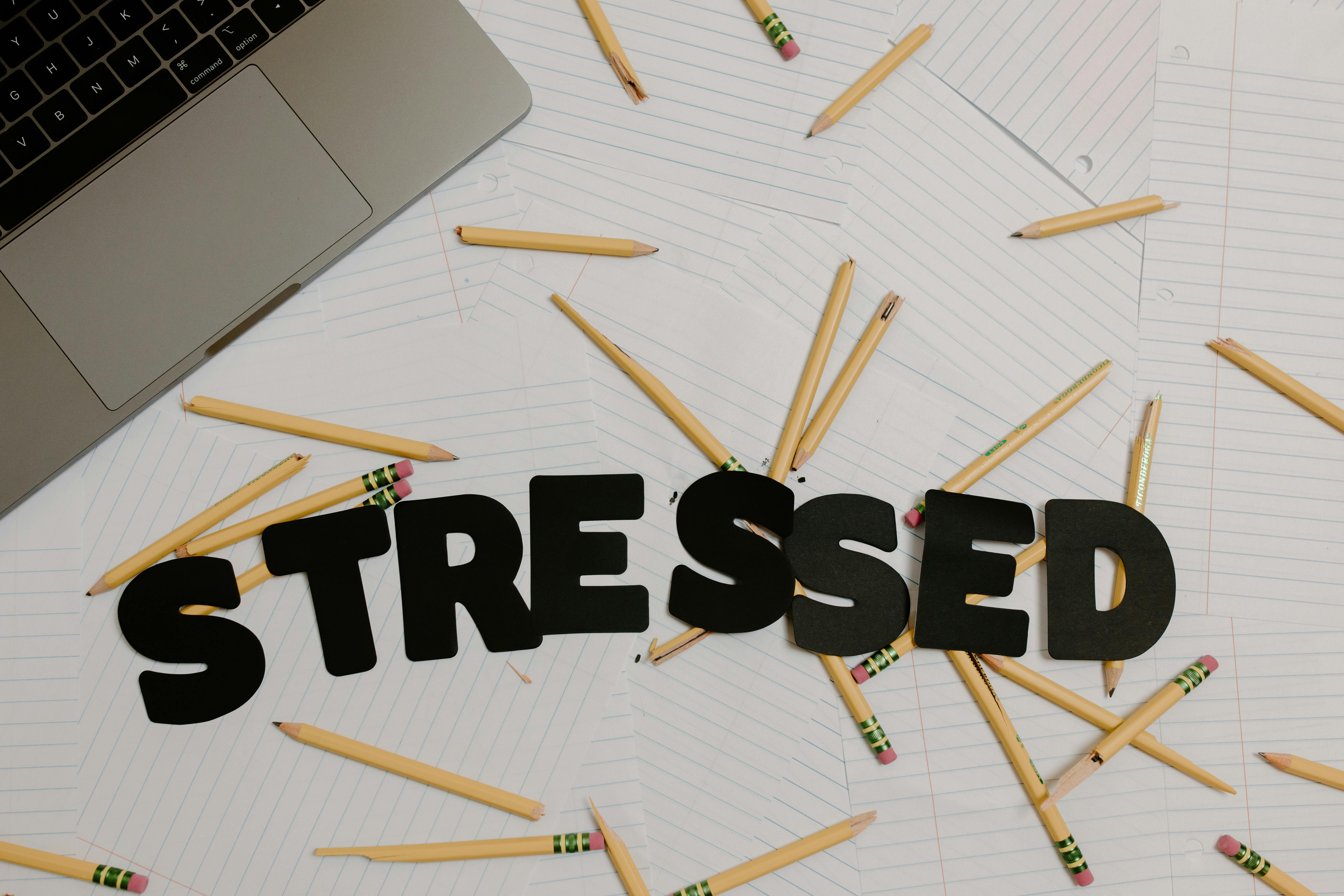
Discover the cutting-edge of stress relief with AI-powered apps and wearable technology. Our 2026 guide compares the best personalized mental wellness platforms, biofeedback devices, and digital therapy solutions to help you achieve proactive burnout prevention, anxiety relief, and optimal mental well-being. Explore subscription wellness options and invest in data-driven stress reduction tools today.
Introduction to the Topic
In an increasingly demanding world, chronic stress and burnout have become pervasive challenges, affecting millions globally. The relentless pace of 2026, driven by rapid technological advancements and societal shifts, means that traditional stress management techniques, while valuable, often fall short for those seeking dynamic, personalized, and proactive solutions. This is where artificial intelligence (AI) and advanced wearable technology are revolutionizing the landscape of mental wellness. Forget one-size-fits-all approaches; the future of stress management is here, offering unparalleled personalization, real-time insights, and predictive capabilities to safeguard your peace of mind. Calmnesshub.com is your trusted guide to navigating this exciting frontier, helping you understand how these innovative tools can transform your daily well-being. From sophisticated AI wellness apps to intelligent biofeedback devices, these technologies are designed not just to react to stress, but to prevent it, empowering you to cultivate lasting resilience and achieve optimal mental health.
Backgrounds & Facts
The digital wellness market has exploded, projected to reach over $700 billion by 2027, with stress management and mental health solutions forming a significant segment. This growth isn't just hype; it's a response to a genuine crisis. Studies in 2025 revealed that over 65% of adults report experiencing significant stress weekly, leading to increased rates of anxiety, depression, and physical ailments. Traditional methods like meditation or therapy, while effective, can be inaccessible, expensive, or lack the continuous, data-driven feedback many users crave. This gap has been filled by AI-powered stress management apps and wearable stress trackers. These tools leverage machine learning to analyze biometric data (heart rate variability, sleep patterns, activity levels), behavioral patterns, and user input to offer hyper-personalized interventions. Imagine an app that learns your unique stress triggers, predicts potential burnout, and suggests tailored mindfulness exercises, cognitive behavioral therapy (CBT) modules, or even guided breathing techniques precisely when you need them. Wearable tech has evolved beyond simple step counters; today's devices offer advanced HRV tracking, skin conductance monitoring, and even real-time stress alerts, making proactive burnout prevention a tangible reality. The integration of AI means these platforms are not static; they continuously learn and adapt, making them incredibly powerful stress reduction tools. This fusion of technology and psychology represents a paradigm shift, moving from reactive coping mechanisms to intelligent, personalized, and preventative mental well-being platforms.
Expert Opinion / Analysis
“The advent of AI in stress management is perhaps the most significant breakthrough in mental wellness this decade,” states Dr. Anya Sharma, a leading AI Wellness Psychologist and author of 'Mind Over Machine'. “For years, we’ve sought ways to make mental health support more accessible, personalized, and proactive. AI delivers on all fronts. What makes these platforms so revolutionary is their ability to provide continuous, unbiased feedback. A human therapist might see a client once a week; an AI-powered app is with you 24/7, learning your unique physiological and psychological responses to daily stressors. It can detect subtle shifts in your HRV or sleep quality that indicate rising stress levels, prompting early intervention before you even consciously feel overwhelmed. This data-driven approach allows for truly personalized mental health plans, adapting meditations, journaling prompts, or even virtual coaching sessions based on your real-time needs and progress.”
Dr. Sharma emphasizes the importance of 'ethical AI' in this space. “While the benefits are immense, users must choose platforms that prioritize data privacy and transparency. The best stress relief apps of 2026 are those that not only offer robust features but also adhere to strict ethical guidelines regarding user data. Furthermore, these tools are not replacements for professional therapy in severe cases, but rather powerful complements, extending the reach of mental health support and empowering individuals with greater self-awareness and self-management capabilities. They represent a significant investment in your long-term mental well-being, offering a scalable and sustainable approach to managing the complexities of modern life.” The expert consensus is clear: AI and wearables are not just gadgets; they are essential components of a holistic and proactive stress management strategy for the modern individual.
💰 Best Options in Comparison (VERY IMPORTANT)
Navigating the crowded market of AI wellness apps and wearable stress trackers can be daunting. To help you make an informed decision and find the best digital therapy solution for your needs, we've analyzed the top contenders for 2026, focusing on innovation, personalization, and user experience. Whether you're seeking comprehensive support or specialized biofeedback, investing in these mental well-being platforms is a step towards a calmer, more resilient you.
- ZenithMind AI: Often hailed as the 'gold standard' in comprehensive AI wellness, ZenithMind AI offers a holistic approach. It integrates advanced AI-driven CBT programs, personalized meditation tracks, virtual coaching sessions, and sophisticated HRV tracking through its proprietary wearable or compatible third-party devices. Its strength lies in its adaptive learning algorithm that crafts a dynamic mental health journey tailored to your emotional state and physiological data. Ideal for those seeking deep, sustained engagement and proactive burnout prevention.
- PulseGuard Pro: For the data-driven individual, PulseGuard Pro is a specialized wearable device paired with an intuitive app. It excels in real-time biofeedback, monitoring heart rate variability, skin conductance, and sleep architecture with clinical precision. The AI analyzes these metrics to provide immediate stress alerts, guided breathing exercises, and personalized recovery recommendations. It's less about traditional therapy and more about physiological self-regulation and performance optimization.
- CalmFlow AI: A rising star for accessible stress reduction, CalmFlow AI focuses on AI-personalized mindfulness and mood tracking. It's celebrated for its user-friendly interface and highly adaptive meditation library, which adjusts based on your reported mood, daily activities, and even weather patterns (if location services are enabled). While it offers basic HRV integration with smartwatches, its core strength is its intelligent content delivery and gentle nudges for consistent practice. An excellent entry point for daily stress relief.
- NeuroSync Home: Pushing the boundaries of home-based intervention, NeuroSync Home offers a subscription-based neurofeedback training system. Using a compact EEG headband, its AI guides you through brainwave training exercises designed to improve focus, reduce anxiety, and enhance sleep quality. It's a more advanced, specialized solution for users interested in direct brain optimization for stress and cognitive performance, often recommended by wellness clinics as a complementary tool.
Here's a detailed comparison to help you choose the best stress management solution:
| Feature | ZenithMind AI | PulseGuard Pro | CalmFlow AI | NeuroSync Home |
|---|---|---|---|---|
| Price/Subscription (Annual) | $199 - $299 (Premium tiers) | Device: $349; Subscription: $149 | $79 - $129 (Basic to Pro) | Device: $499; Subscription: $249 |
| Key Features | AI-CBT, Meditations, Virtual Coaching, Journaling, HRV Tracking | Advanced Biofeedback (HRV, SC), Sleep Analysis, Real-time Stress Alerts, Guided Breathing | AI-Personalized Meditations, Mood Tracking, Gentle Nudges, Basic HRV Sync | EEG Neurofeedback Training, Brainwave Optimization for Focus/Sleep/Anxiety |
| AI Personalization Level | High (Adaptive learning, dynamic content) | High (Data-driven physiological insights & interventions) | Medium-High (Contextual content delivery) | High (Personalized training protocols based on brain activity) |
| Device Compatibility | iOS/Android, Integrates with Apple Watch, Garmin, Oura Ring | Dedicated Wearable (Proprietary), iOS/Android App | iOS/Android, Basic sync with major smartwatches | Dedicated EEG Headband (Proprietary), iOS/Android App |
| Target User | Holistic wellness seekers, corporate wellness, chronic stress management | Biofeedback enthusiasts, athletes, high-stress professionals | Beginners to mindfulness, daily stress relief, budget-conscious | Tech-savvy, seeking advanced brain optimization, specific anxiety/focus issues |
| Pros | Comprehensive, highly personalized, strong community, virtual coaching | Unmatched physiological accuracy, real-time feedback, proactive alerts | Very user-friendly, affordable, effective for daily stress, great content variety | Direct brain training, profound impact on focus/sleep, cutting-edge technology |
| Cons | Higher price point, can be overwhelming initially | Requires dedicated wearable, less focus on cognitive therapy, single-purpose | Less advanced biofeedback, content can be less deep than premium options | Highest price point, steep learning curve, not for general stress management |
Outlook & Trends
The trajectory for AI-powered stress management in 2026 and beyond is nothing short of transformative. We anticipate even deeper integration with our daily lives. Imagine smart homes that adapt lighting and soundscapes based on your real-time stress levels detected by your wearable, or predictive analytics that alert you to potential burnout weeks in advance based on your digital footprint and biometric data. Hyper-personalized digital therapeutics, offering clinical-grade interventions for specific mental health conditions, will become more mainstream, potentially reducing the burden on traditional healthcare systems. Ethical considerations around data privacy and algorithmic bias will continue to evolve, with regulations like the 'Digital Wellness Act of 2025' setting new standards for transparency and user control. Furthermore, expect to see the gamification of stress reduction, making mental wellness journeys more engaging and sustainable. The synergy between AI, epigenetics, and personalized nutrition will also emerge, offering truly holistic solutions that address stress from every angle. These aren't just tools; they are evolving companions on our journey to sustained calmness and resilience.
Conclusion
The year 2026 marks a pivotal moment in stress management, with AI and wearable technology offering unprecedented opportunities for personalized mental wellness. From comprehensive AI wellness apps like ZenithMind AI to specialized biofeedback devices such as PulseGuard Pro and innovative neurofeedback systems like NeuroSync Home, the options for proactive burnout prevention and anxiety relief are more sophisticated and accessible than ever before. These aren't just temporary fixes; they are powerful, data-driven stress reduction tools designed to integrate seamlessly into your life, helping you build lasting resilience. Investing in these mental well-being platforms is an investment in your future self – a calmer, more focused, and ultimately, happier you. Explore the options, compare the features, and take the decisive step towards future-proofing your peace. Your journey to optimal mental health starts now.