
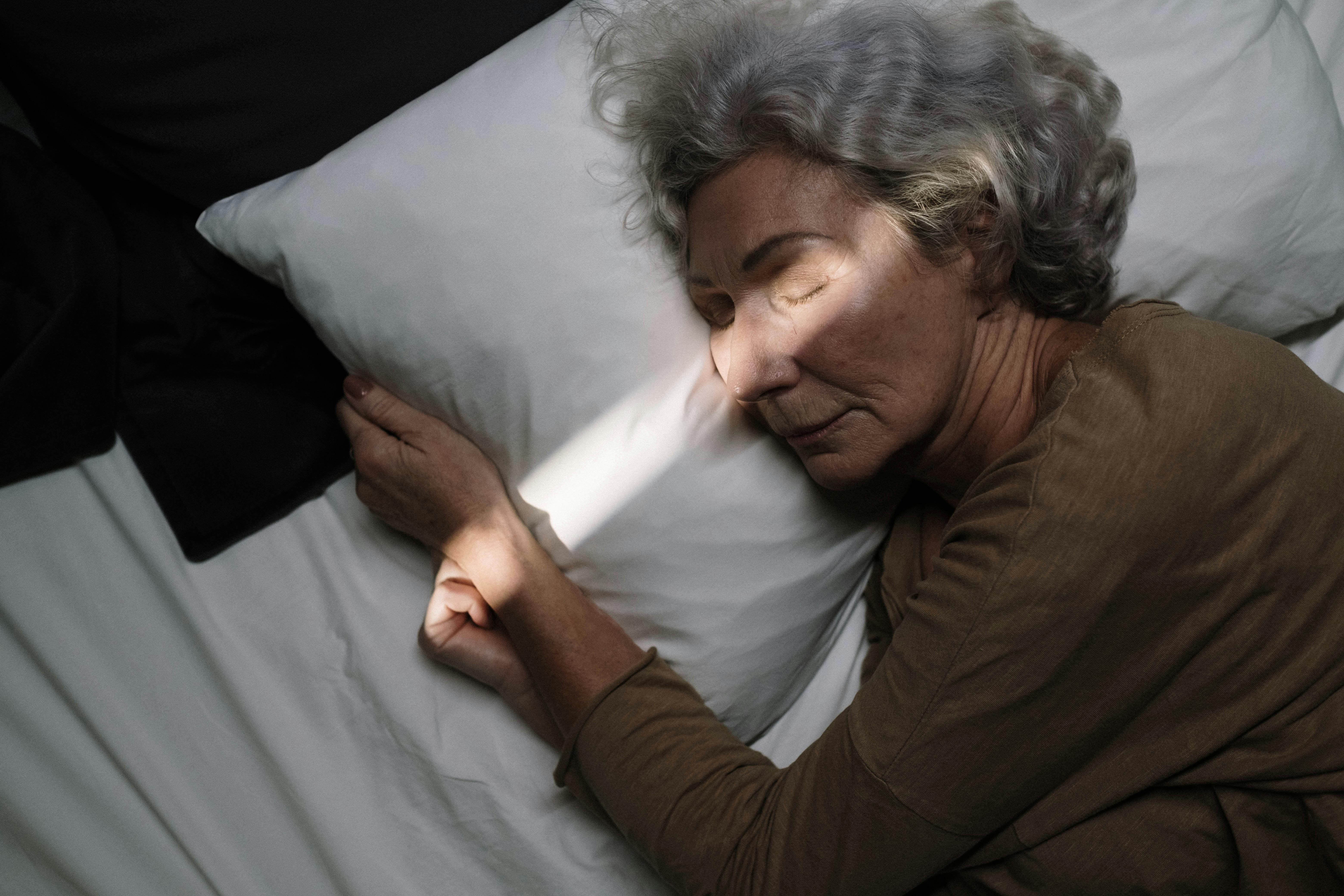
In 2026, the quest for optimal rest transcends traditional methods. Discover how cutting-edge AI sleep tech, including intelligent smart beds and advanced sleep trackers, is revolutionizing personalized sleep solutions. Learn to invest in sleep optimization and unlock unparalleled wellness with the best sleep products designed to enhance deep sleep, improve recovery, and combat insomnia.
Introduction to the Topic
The year is 2026, and the world moves faster than ever. Yet, one fundamental human need remains constant, and arguably, more elusive: truly restorative sleep. For too long, sleep has been a passive activity, often sacrificed at the altar of productivity or simply left to chance. But what if we told you that the future of rest isn't just about closing your eyes, but about a hyper-personalized, data-driven journey to your best sleep ever? Welcome to the era of AI-powered sleep solutions, where smart beds, intelligent trackers, and bespoke coaching aren't just gadgets – they're your personal architects of slumber. At calmnesshub.com, we believe that investing in your sleep is investing in your entire well-being. This isn't just a trend; it's a revolution set to redefine how we rest, recover, and live. If you're looking to upgrade your nights and supercharge your days, read on to discover how these game-changing technologies are poised to transform your sleep landscape.
Backgrounds & Facts
The statistics are sobering: a significant portion of the global population still struggles with sleep deprivation, chronic insomnia, or poor sleep quality. The World Health Organization (WHO) continues to highlight sleep as a critical pillar of health, alongside diet and exercise, yet many of us fall short. Traditional advice often provides a generic framework, but human physiology is anything but generic. This is where Artificial Intelligence steps in.
AI's foray into sleep began with basic activity trackers, collecting rudimentary data on movement and assumed sleep duration. Fast forward to 2026, and the technology has evolved exponentially. Modern AI sleep tech utilizes sophisticated sensors – integrated into mattresses, worn as rings or bands, or even placed discreetly under pillows – to gather a rich tapestry of biometric data:
- Heart Rate Variability (HRV): A key indicator of autonomic nervous system activity and recovery.
- Respiratory Rate: Detecting breathing patterns, potential disturbances like snoring or even early signs of sleep apnea.
- Skin Temperature: Reflecting circadian rhythms and inflammatory responses.
- Blood Oxygen Saturation (SpO2): Crucial for identifying breathing irregularities.
- Movement & Micro-awakenings: Pinpointing restlessness and sleep fragmentation.
- Environmental Factors: Room temperature, humidity, light levels, and ambient noise.
This deluge of data isn't just collected; it's analyzed by powerful AI algorithms that can identify unique sleep patterns, detect subtle deviations, and predict potential issues with astounding accuracy. Instead of a generic "get 8 hours," AI offers insights like "your deep sleep was compromised last night due to room temperature fluctuations; try setting your smart thermostat to 67°F" or "your HRV suggests higher stress levels, integrate a 10-minute guided meditation before bed." This level of personalized guidance moves beyond mere tracking to active, intelligent intervention, making sleep optimization a tangible reality.
Expert Opinion / Analysis
"The shift we're witnessing in sleep science, driven by AI, is nothing short of transformative," states Dr. Elara Vance, a leading sleep neurologist and bio-tech ethicist. "For decades, sleep medicine relied heavily on subjective reporting and costly, in-clinic polysomnography. Now, continuous, non-invasive monitoring provides a longitudinal view of an individual's sleep health, far beyond what was previously possible. AI doesn't just tell you how you slept; it tells you why and, crucially, how to improve it."
The expert consensus is clear: AI is democratizing access to personalized sleep insights. Gone are the days of a one-size-fits-all approach. AI algorithms learn your unique chronotype, your response to different environmental stimuli, and even how your diet or exercise impacts your sleep quality. This hyper-personalization translates into several key benefits:
- Optimized Sleep Stages: AI can guide you toward maximizing crucial deep sleep and REM cycles, vital for physical restoration, memory consolidation, and emotional regulation.
- Adaptive Environments: Smart beds and integrated smart home systems can automatically adjust mattress firmness, temperature, lighting, and soundscapes in real-time, responding to your body's needs throughout the night.
- Proactive Health Monitoring: Early detection of potential health issues like sleep apnea, atrial fibrillation, or even elevated stress markers, allowing for timely medical intervention.
- Enhanced Recovery: Athletes and high-performers leverage AI sleep data to fine-tune their recovery protocols, ensuring peak physical and mental readiness.
- Behavioral Nudging: AI-powered apps offer personalized CBT-i (Cognitive Behavioral Therapy for Insomnia) programs, gentle reminders for consistent sleep schedules, and tailored relaxation exercises.
While concerns about data privacy and the potential for over-reliance on technology exist, industry leaders are addressing these with robust encryption and user-centric design. The benefits, experts argue, far outweigh the risks for those serious about investing in their long-term health and well-being.
💰 Best Options in Comparison (VERY IMPORTANT)
Navigating the burgeoning market of AI-powered sleep solutions in 2026 can feel overwhelming. To help you make an informed decision and invest wisely in your rest, we've meticulously compared some of the leading contenders across different categories. Whether you're ready for a full smart bed overhaul or seeking a sophisticated wearable tracker, these options represent the pinnacle of sleep innovation.
Option 1: The Intelligent Command Center - Smart Beds
AuraSleep Pro X Smart Bed (Model 2026): This is the flagship for ultimate sleep luxury and personalization. The AuraSleep Pro X isn't just a mattress; it's an integrated sleep system. Featuring multi-zone firmness adjustment, it automatically adapts to your sleeping position and body contours throughout the night, reducing pressure points. Its advanced thermal regulation system actively heats or cools different zones of the bed to maintain your optimal sleep temperature, even adjusting individually for partners. Integrated snore detection gently elevates the head to alleviate snoring without disturbing your partner. The accompanying AI analyzes sleep stages (light, deep, REM), HRV, respiratory rate, and micro-awakenings, providing daily sleep scores and actionable insights via a dedicated app. It integrates seamlessly with smart home ecosystems like Apple HomeKit and Google Home, allowing for automated light dimming or white noise activation based on your sleep schedule. This is a premium investment for those seeking comprehensive sleep optimization and unparalleled comfort.
Option 2: The Wearable Wellness Guardian - Advanced Sleep Trackers
SomnusBand Elite (Gen 3, 2026): For those who prefer a more portable and less intrusive solution, the SomnusBand Elite represents the cutting edge in wearable sleep tracking. Worn comfortably on the wrist, this sleek device tracks an impressive array of biometrics: precise sleep staging, HRV, skin temperature, blood oxygen saturation (SpO2), and even electrodermal activity for stress monitoring. Its AI engine processes this data to provide a daily "Readiness Score," indicating your optimal recovery and energy levels for the day ahead. Beyond tracking, the SomnusBand Elite offers personalized "Smart Wake" alarms that gently rouse you during your lightest sleep phase, preventing grogginess. It also features guided breathing exercises and short meditations designed to improve sleep onset and quality. The battery life is exceptional, lasting up to 7 days on a single charge, making it ideal for continuous monitoring without daily hassle. It's an excellent choice for fitness enthusiasts, busy professionals, and anyone serious about understanding and improving their daily recovery.
Option 3: The Digital Sleep Coach - AI-Powered Apps
DreamWeaver AI Coach (Premium Subscription): While not a physical device, DreamWeaver offers a powerful, accessible entry point into personalized sleep optimization. This subscription-based app leverages AI to create tailored sleep improvement programs. After an initial assessment, it uses machine learning to adapt CBT-i (Cognitive Behavioral Therapy for Insomnia) techniques to your specific challenges. It provides personalized soundscapes, guided meditations, dynamic relaxation exercises, and intelligent journaling prompts. The AI continuously analyzes your reported sleep quality and progress, adjusting recommendations for sleep hygiene, pre-bed routines, and even dietary suggestions. It can integrate with popular wearables to pull in biometric data for even more precise coaching. DreamWeaver is perfect for those looking for expert guidance, behavioral change support, and mental wellness integration without a significant hardware investment.
To help you decide, here's a comparative overview:
| Feature | AuraSleep Pro X Smart Bed | SomnusBand Elite (Gen 3) | DreamWeaver AI Coach (Premium) |
|---|---|---|---|
| Primary Function | Comprehensive sleep environment & tracking | Advanced biometric tracking & recovery insights | Personalized sleep coaching & behavioral therapy |
| Key Personalization | Automatic firmness, temperature, snore response | Readiness Score, Smart Wake, recovery guidance | Adaptive CBT-i, tailored routines, soundscapes |
| Data Tracked | Sleep stages, HRV, breathing, temp, snoring, movement | Sleep stages, HRV, skin temp, SpO2, stress, movement | User-reported sleep, integrates with wearables for biometrics |
| Integration | Smart home (HomeKit, Google Home), dedicated app | Dedicated app, limited third-party health platforms | Dedicated app, integrates with popular wearables |
| Target User | Luxury seekers, couples, comprehensive optimization | Athletes, biohackers, data-driven wellness enthusiasts | Individuals with insomnia/sleep issues, behavioral change focus |
| Price Range (Est. 2026) | $$ (Premium: $4,000 - $10,000+) | $ (Mid-High: $250 - $450) | $ (Subscription: $15 - $30/month) |
Outlook & Trends
Looking ahead to the late 2020s and beyond, the trajectory of AI in sleep health is set to become even more integrated and intuitive.
- Predictive Health Analytics: Beyond identifying current issues, AI will increasingly predict future health risks. Imagine your smart bed alerting you to early signs of respiratory distress or cardiac anomalies weeks before symptoms become apparent, prompting a visit to your doctor. This shifts sleep tech from reactive to truly proactive health management.
- Neurofeedback Integration: Expect to see more advanced sleep solutions incorporating non-invasive neurofeedback, using gentle electrical or sound stimuli to guide brainwaves into optimal sleep states, further enhancing deep and REM sleep.
- Seamless Environmental Control: The "smart bedroom" will become the norm, with AI orchestrating dynamic lighting that mimics natural dawn/dusk cycles, air purification systems that adjust based on air quality, and sound systems that adapt to your sleep stage – all working in concert without explicit user input.
- Hyper-Personalized Nutraceuticals & Supplements: AI will analyze your sleep data, genetics, and gut microbiome to recommend bespoke sleep-enhancing supplements or dietary adjustments, moving beyond generic melatonin to highly specific formulations.
- "Sleep Tourism" Evolution: Luxury wellness resorts and medical tourism will increasingly offer AI-optimized sleep suites, providing guests with personalized sleep analyses and interventions during their stay, often integrating with take-home tech.
- Ethical AI and Data Security: As these technologies become more pervasive, robust regulatory frameworks and industry standards for data privacy, consent, and ethical AI development will be paramount to building user trust and ensuring responsible innovation.
The future of sleep is not just about technology; it's about empowering individuals with unprecedented insight and control over their most vital restorative process.
Conclusion
The journey to optimal sleep in 2026 is no longer a solitary, hit-or-miss endeavor. With the advent of sophisticated AI-powered smart beds, advanced wearable trackers, and intelligent coaching apps, personalized sleep solutions are within reach for everyone. These innovations promise to transform not just how we sleep, but how we live – boosting our energy, sharpening our minds, and fortifying our health.
Investing in AI sleep tech isn't merely buying a gadget; it's an investment in your future self, a commitment to unparalleled wellness and peak performance. Whether you opt for the immersive luxury of a smart bed, the data-driven insights of a wearable, or the expert guidance of an AI coach, the opportunity to unlock your best sleep ever is here.
Stop dreaming of better rest and start experiencing it. Explore the options, understand your needs, and take the definitive step towards a future where every night is a pathway to a more vibrant, well-rested you. Your perfect night's sleep isn't just a possibility in 2026 – it's a personalized guarantee.