
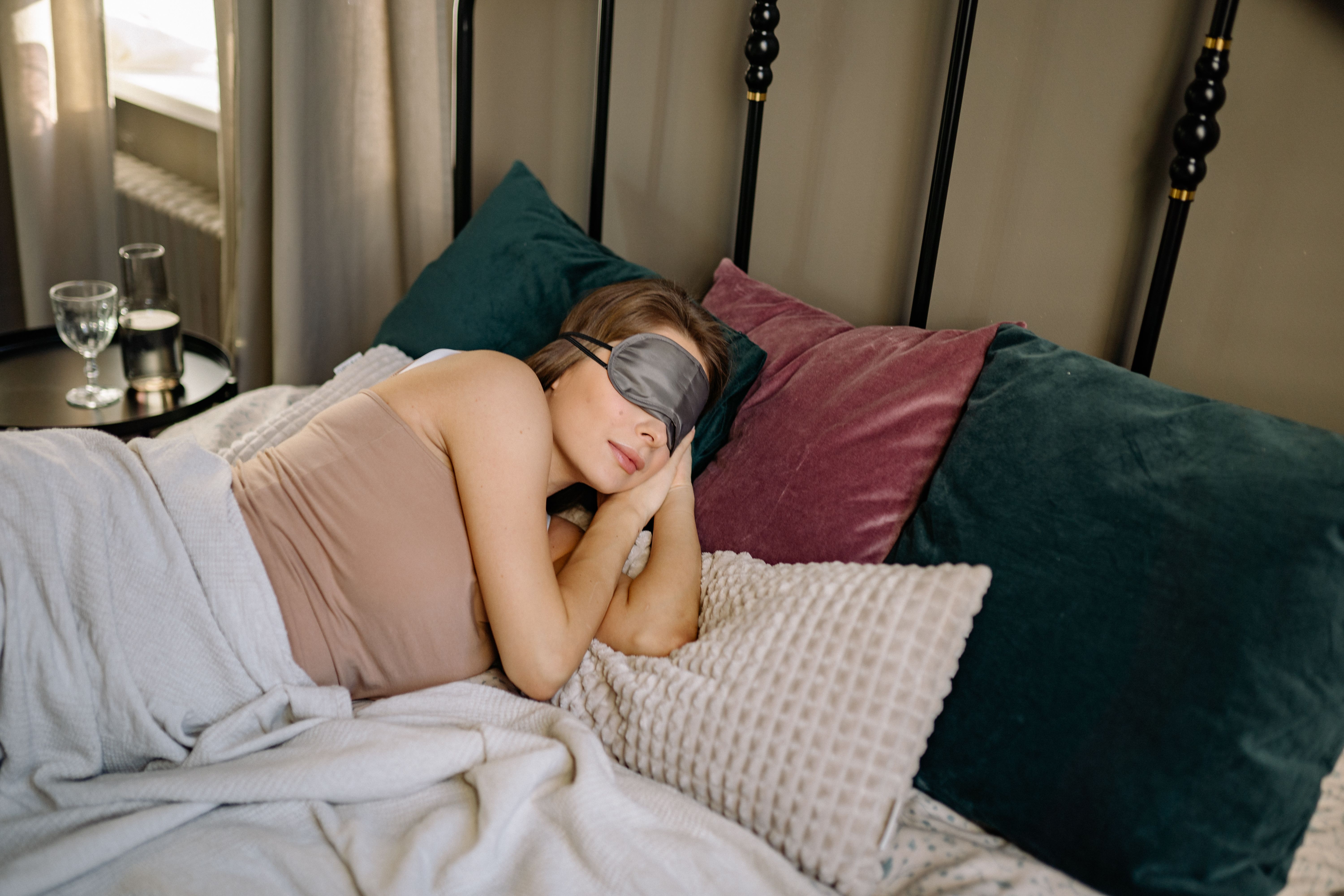
Tired of tossing and turning? Discover how cutting-edge AI-powered personalized sleep solutions are revolutionizing rest in 2026. From smart mattresses to advanced wearables and AI sleep coaches, unlock your optimal sleep health. Compare the best sleep tech products and services designed to deliver restorative sleep tailored just for you. Get ready to invest in your best night's sleep yet!
Introduction to the Topic
Welcome to 2026, where the dream of truly restorative, personalized sleep is no longer a distant whisper but a tangible reality for millions. For too long, sleep advice has been a one-size-fits-all endeavor, leaving many still struggling with insomnia, fatigue, and the myriad health issues stemming from poor sleep quality. But a seismic shift is underway, powered by the incredible advancements in Artificial Intelligence and sophisticated biofeedback technology. We're on the cusp of a personalized sleep revolution, moving beyond generic tips to a bespoke approach that understands your unique biology, environment, and lifestyle.
At calmnesshub.com, we understand that sleep isn't just a luxury; it's the bedrock of your physical and mental well-being, productivity, and overall longevity. This comprehensive guide will dive deep into the trending world of AI-powered personalized sleep solutions. We'll explore how these innovative technologies are transforming our nights, offering unprecedented insights and actionable strategies to optimize your rest. If you're ready to stop guessing and start truly understanding—and improving—your sleep, then you've come to the right place. Get ready to discover the future of sleep, tailored just for you, and find out which solutions are worth investing in today.
Backgrounds & Facts
The global sleep crisis is well-documented. According to the World Health Organization, over 40% of the adult population in developed countries reports insufficient sleep, with conditions like chronic insomnia and sleep apnea on a relentless rise. The economic cost is staggering, estimated in the hundreds of billions annually due to lost productivity and healthcare expenses. Traditional approaches, while helpful, often fall short because they fail to account for individual variability. What works for one person's circadian rhythm, sleep architecture, and stress response may not work for another.
Enter AI. In 2026, AI algorithms are powerful enough to process vast amounts of data from various sources: advanced sleep trackers, smart home devices, health records, and even user-reported lifestyle factors. This data includes heart rate variability, sleep stages (REM, light, deep), breathing patterns, body temperature, movement, environmental factors like room temperature and light exposure, and even dietary habits. By analyzing these complex datasets, AI can identify unique sleep patterns, detect subtle disturbances, and predict potential issues before they become chronic problems. It's like having a personal sleep scientist monitoring you 24/7, learning from your body's signals and providing dynamic, real-time recommendations.
The evolution from basic sleep apps to intelligent, adaptive systems has been rapid. Early wearables offered raw data; today's AI-integrated platforms offer predictive analytics, personalized interventions, and even adaptive environments. This shift from observation to intervention is what truly defines the personalized sleep revolution, empowering users with the knowledge and tools to proactively manage and enhance their sleep health.
Expert Opinion / Analysis
Dr. Evelyn Reed, a leading neuroscientist and sleep technologist at the Institute for Advanced Sleep Research, shares her insights: "The advent of AI in sleep science is arguably the most significant breakthrough in decades. We've moved from treating symptoms to understanding root causes on an individual basis. AI models, particularly those leveraging machine learning and deep learning, can identify correlations and patterns that would be impossible for human analysis alone. This precision allows for highly targeted interventions, whether it's adjusting your smart mattress firmness in real-time, recommending specific light therapy protocols, or tailoring CBT-I (Cognitive Behavioral Therapy for Insomnia) exercises through an app."
Dr. Reed emphasizes the importance of data privacy and ethical AI development. "While the benefits are immense, users must be diligent about understanding how their highly personal sleep data is being used and protected. Reputable companies prioritize robust encryption and transparent data policies. Furthermore, it's crucial to remember that AI is a tool. It empowers us with information and guidance, but it doesn't replace healthy habits or professional medical advice for severe conditions. It augments our ability to achieve optimal sleep, acting as an intelligent co-pilot on your journey to better rest."
The analysis reveals a future where sleep isn't a passive state but an actively managed process. AI-driven solutions are not just about tracking; they're about coaching, adapting, and even predicting your sleep needs based on your day's activities, stress levels, and upcoming schedule. This proactive approach is a game-changer for chronic sleep sufferers and high-performers alike, offering a pathway to sustained energy, improved cognitive function, and enhanced overall quality of life.
💰 Best Options in Comparison (VERY IMPORTANT)
Navigating the burgeoning market of AI-powered sleep solutions can be overwhelming. To help you make an informed decision and find the best fit for your needs and budget, we've meticulously compared some of the leading technologies available in 2026. These options represent different approaches to personalized sleep optimization, from comprehensive bedroom systems to portable wearables and intelligent coaching platforms.
- The "Sanctuary" Smart Sleep System (e.g., ReSTful AI Mattress & Ecosystem): This represents the pinnacle of integrated sleep tech. It's not just a smart mattress; it's an entire bedroom ecosystem. The AI-powered mattress dynamically adjusts firmness, temperature, and lumbar support throughout the night based on your real-time biometrics. It integrates with smart lighting (circadian rhythm synchronization), soundscapes (adaptive white noise or binaural beats), and even aromatherapy diffusers. Ideal for those seeking a complete, hands-off sleep environment optimization.
- Aura Ring Gen 4 (Advanced Sleep & Wellness Tracker): The latest iteration of the popular smart ring, the Aura Ring Gen 4, takes wearable sleep tracking to an unprecedented level. Beyond highly accurate sleep stage detection, HRV, and body temperature, it now incorporates micro-movement analysis for early detection of sleep apnea indicators and offers predictive analytics for optimal bedtime windows. Its AI coach provides daily readiness scores and personalized recovery recommendations based on your sleep, activity, and stress data. Perfect for data-driven individuals who want portable, comprehensive insights.
- SomniaFlow AI Sleep Coach App (Subscription Service): For those who prefer a software-based solution or want to augment existing hardware, SomniaFlow is a leading AI sleep coaching platform. It uses advanced algorithms to build a personalized sleep plan based on your input, tracked data (from integrated wearables), and psychological profiling. It offers adaptive CBT-I modules, guided meditations, personalized soundscapes, and intelligent alarms. The AI learns your responses and refines its recommendations over time, offering a highly personalized, accessible coaching experience.
- BioSync Pillow (Adaptive Smart Pillow): A more focused, yet highly effective, AI solution. The BioSync Pillow integrates sensors to track head position, snoring, and micro-movements. Its AI dynamically adjusts the pillow's loft and firmness to optimize airway alignment and reduce snoring. It also features gentle vibration alarms and embedded speakers for personalized sound therapy. A great option for those specifically targeting neck comfort, snoring issues, and localized sleep optimization.
Here's a comparison table to help you weigh your options:
| Feature/Product | ReSTful AI Mattress & Ecosystem | Aura Ring Gen 4 | SomniaFlow AI Sleep Coach App | BioSync Pillow |
|---|---|---|---|---|
| Primary Focus | Full bedroom environment optimization | Comprehensive biometric tracking & insights | Personalized sleep coaching & behavioral change | Neck comfort, snoring reduction, localized therapy |
| Key Features | Dynamic firmness/temp, integrated light/sound, smart home sync | Advanced sleep stages, HRV, body temp, predictive analytics, readiness score | Adaptive CBT-I, guided meditations, intelligent alarms, progress tracking | Automatic loft/firmness adjustment, snoring detection, embedded speakers |
| Price Range (USD) | $3,000 - $8,000+ (mattress + ecosystem) | $399 - $599 (device + subscription) | $15 - $30/month (subscription only) | $249 - $399 |
| Ideal User | Those seeking ultimate luxury & seamless integration | Health-conscious, data-driven individuals, athletes | Individuals seeking behavioral change, flexible solutions | People with neck pain, snoring, or localized sleep issues |
| Pros | Unparalleled comfort, holistic optimization, minimal effort | Highly accurate, discreet, comprehensive health insights, portable | Affordable, accessible, educative, customizable | Targeted relief, innovative design, comfortable |
| Cons | High cost, requires significant commitment, less portable | Requires charging, subscription for full features, not a "fix-all" | Relies on user engagement, no direct environmental control | Limited scope, only addresses specific issues |
Outlook & Trends
The future of AI-powered personalized sleep solutions in 2026 and beyond promises even more seamless integration and predictive capabilities. We anticipate a trend towards hyper-personalized, closed-loop systems where your smart home proactively adjusts your environment based on your predicted sleep needs and real-time biometrics, even learning from your daily schedule and stress levels to suggest optimal wind-down routines. Imagine your smart blinds lowering, lights dimming to a specific wavelength, and the thermostat adjusting a full hour before your ideal bedtime, all orchestrated by an AI that knows you better than you know yourself.
Further advancements will likely include deeper integration with mental wellness platforms, using AI to detect early signs of stress or anxiety impacting sleep and offering immediate, personalized mindfulness exercises or cognitive prompts. The convergence of sleep tech with preventative healthcare will also strengthen, with AI models potentially identifying early markers for chronic diseases through subtle sleep pattern changes, prompting proactive medical consultation. Expect more robust data privacy frameworks to emerge, giving users greater control and transparency over their health data, fostering trust in these increasingly intimate technologies. The goal is not just to track sleep, but to truly transform it into a powerful, regenerative force for human health and potential.
Conclusion
In 2026, the era of generic sleep advice is officially over. The power of AI has ushered in a new age of personalized sleep optimization, offering unparalleled insights and tailored solutions to help you achieve the restorative rest you deserve. Whether you're considering a full smart sleep ecosystem, a cutting-edge wearable, an intelligent coaching app, or a targeted smart pillow, the options are more sophisticated and effective than ever before.
Investing in personalized sleep technology isn't just buying a gadget; it's investing in your health, your productivity, and your overall quality of life. By understanding your unique sleep patterns and addressing your specific needs, these AI-powered tools can unlock your true potential, ensuring you wake up feeling refreshed, energized, and ready to tackle the day. Explore the options, compare the features, and take the definitive step towards revolutionizing your rest. Your best sleep is no longer a dream – it's a personalized reality waiting to be embraced. Visit calmnesshub.com for more reviews and guides on optimizing your sleep journey.