
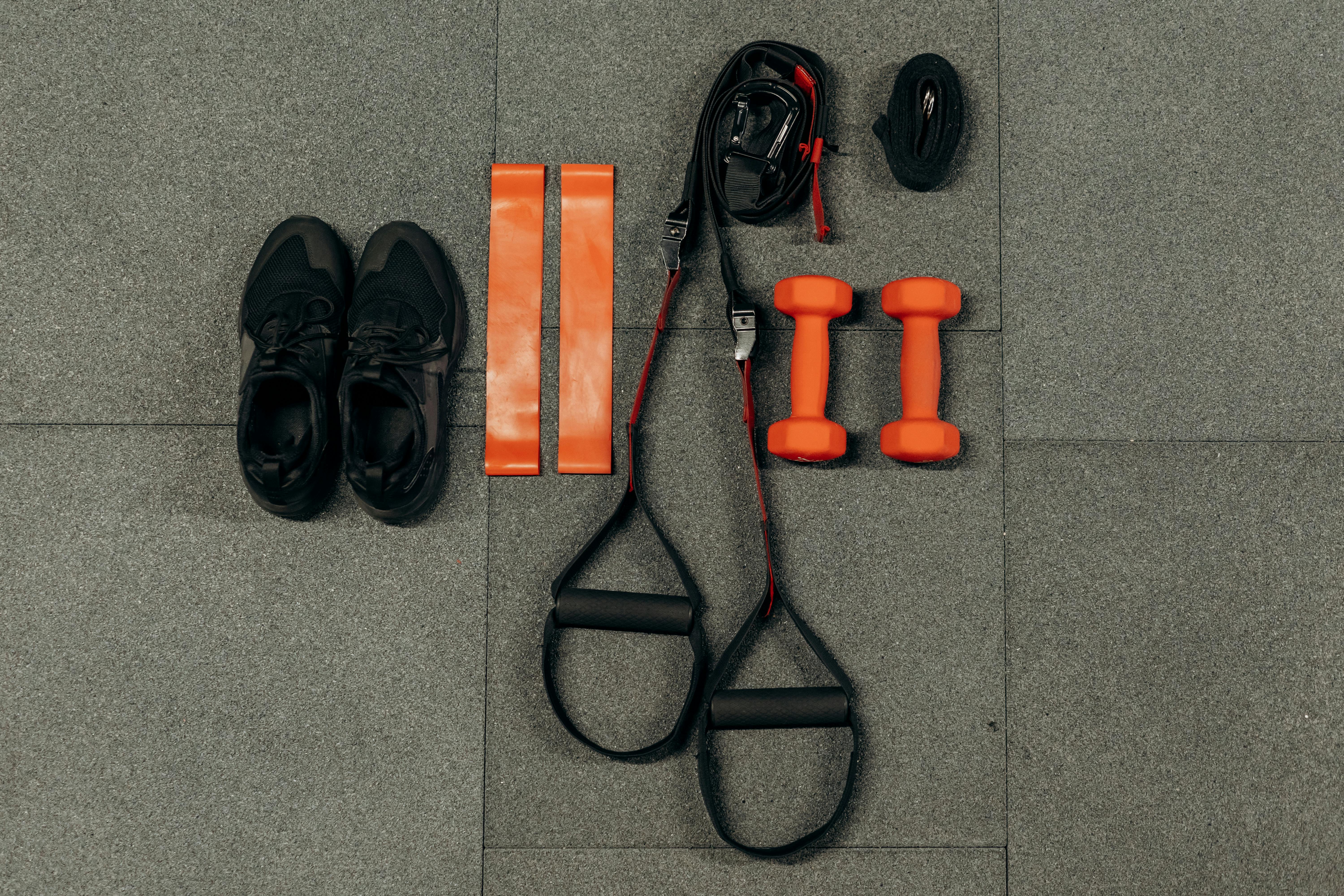
Discover how AI personal trainers and smart recovery tech are revolutionizing fitness in 2026. From genetic profiling to real-time biofeedback, find the best platforms and devices to optimize your workouts and recovery for unparalleled results and longevity. This comprehensive guide helps you compare leading AI fitness apps, personalized coaching services, and cutting-edge recovery tools, ensuring you make informed purchasing decisions for your ultimate well-being.
Introduction to the Topic
The year is 2026, and the fitness landscape has undergone a seismic shift. Gone are the days of one-size-fits-all workout plans and generic advice. We've entered the era of hyper-personalization, driven by the exponential advancements in Artificial Intelligence. Imagine a fitness coach that understands your unique genetic makeup, monitors your real-time physiological responses, adapts your workout plan on the fly, and even optimizes your recovery protocol based on your sleep quality and stress levels. This isn't science fiction; it's the present reality, and it's set to redefine how we pursue health, performance, and longevity.
At calmnesshub.com, we believe that true well-being encompasses both physical prowess and mental serenity. AI-driven fitness, when leveraged correctly, offers the unprecedented ability to achieve both by removing guesswork, preventing injury, and maximizing efficiency. This article will delve into the transformative power of AI in both training and recovery, guiding you through the cutting-edge technologies and services available today, helping you choose the perfect AI companion for your fitness journey.
Backgrounds & Facts
For decades, fitness methodologies often relied on generalized principles, expert intuition, and trial-and-error. While effective to a degree, this approach overlooked the profound bio-individuality that defines each person. What works wonders for one might be ineffective or even detrimental for another. The human body is a complex system, and its optimal performance parameters are unique.
The rise of wearable technology in the late 2010s and early 2020s laid the groundwork for this revolution. Devices that tracked heart rate, sleep, steps, and activity levels began collecting vast amounts of personal health data. However, the raw data itself was often overwhelming and lacked actionable insights. This is where AI stepped in. Machine learning algorithms can now process millions of data points, identify intricate patterns, and translate them into highly personalized, predictive, and prescriptive recommendations.
According to a 2025 report by Global Market Insights, the AI in fitness and sports market is projected to exceed $15 billion by 2028, growing at a CAGR of over 25% from 2022. This explosive growth is fueled by several factors:
- Data Abundance: More sophisticated wearables and smart home gym equipment provide richer, more diverse data streams.
- Algorithmic Sophistication: AI models are becoming more adept at understanding human physiology, biomechanics, and even psychological states.
- Accessibility: AI-driven coaching is more scalable and often more affordable than traditional one-on-one personal training, making elite-level guidance accessible to the masses.
- Demand for Longevity: As populations age, there's an increasing emphasis on preventative health and maintaining physical capabilities throughout life, areas where personalized AI excels.
Beyond training, AI is also transforming recovery. Recovery, once an afterthought, is now recognized as equally critical to performance and injury prevention. Smart recovery devices, powered by AI, can analyze your body's stress and fatigue levels to recommend optimal recovery protocols, whether it's targeted massage, thermotherapy, or neurofeedback for improved sleep.
Expert Opinion / Analysis
“The future of fitness isn't just about working harder; it's about working smarter, and AI is the ultimate intelligence amplifier for our bodies,” states Dr. Evelyn Reed, a leading sports scientist and Head of Performance AI at the Quantified Self Institute. “Traditional training often involved a lot of trial-and-error, leading to plateaus, injuries, and demotivation. AI eliminates much of that uncertainty.”
Dr. Reed emphasizes several key benefits of integrating AI into your fitness and recovery regimen:
- Unprecedented Personalization: “AI can factor in not just your current fitness level, but also your sleep patterns, stress markers, nutritional intake, genetic predispositions, and even your mood to create a truly bespoke program. It's like having a team of experts – a trainer, nutritionist, sleep specialist, and physiotherapist – all working in concert, tailored precisely for you.”
- Real-time Adaptation: “Unlike a static PDF plan, an AI coach adapts dynamically. If your sleep quality was poor, it might suggest a lighter workout or focus on mobility. If your performance metrics indicate you're ready for more, it'll push you. This real-time feedback loop is crucial for optimizing progress and preventing overtraining.”
- Injury Prevention: “By analyzing biomechanics through smart sensors and cameras, AI can detect subtle deviations in form that might lead to injury over time. It provides immediate feedback, correcting your posture or movement patterns before they become problematic. This is a game-changer for long-term athletic health.”
- Optimized Recovery: “Recovery used to be a guessing game. Now, AI-powered devices can objectively assess muscle fatigue, inflammation, and nervous system recovery, then prescribe specific interventions – from targeted percussive therapy with adaptive pressure to neurofeedback sessions for stress reduction and deeper sleep. Recovery is no longer passive; it's an active, data-driven process.”
However, Dr. Reed also offers a word of caution: “While AI is incredibly powerful, it's a tool. The human element – motivation, consistency, and listening to your body – remains paramount. And always ensure the platforms you choose prioritize data privacy and security. Look for transparency in their algorithms and data usage policies.”
💰 Best Options in Comparison (VERY IMPORTANT)
Navigating the burgeoning market of AI-driven fitness and recovery can be daunting. To help you make an informed decision, we've compiled a comparison of leading platforms and devices in 2026, focusing on innovation, effectiveness, and user experience. These options represent the pinnacle of personalized wellness technology, designed to cater to various needs and budgets.
AI Personal Trainer Platforms & Services
-
1. AuraFit Pro (Premium Personalization):
AuraFit Pro leverages advanced predictive analytics and incorporates your genetic profile (via integrated DNA testing kits) to craft truly unique training and nutrition plans. It uses a combination of wearable data (compatible with all major brands), smart cameras for real-time form correction, and even integrates with smart home gym equipment. Its 'Bio-Feedback Loop' feature dynamically adjusts your next session based on your recovery metrics, sleep quality, and even mood. AuraFit Pro is ideal for serious athletes and individuals seeking the absolute pinnacle of personalized performance optimization.
-
2. BioSync AI (Holistic Wellness & Integration):
BioSync AI takes a comprehensive approach, optimizing not just your workouts but also your sleep, nutrition, and stress management. It integrates seamlessly with a wide array of smart devices, from smart scales and continuous glucose monitors to smart lighting and meditation apps. BioSync's AI 'Wellness Engine' identifies correlations between different lifestyle factors and provides actionable insights across all domains. It's perfect for those looking for an all-encompassing wellness solution that extends beyond just physical training.
-
3. Veridian Coach (Gamified & Community-Driven):
Veridian Coach offers an engaging, gamified experience with strong VR/AR integration, making workouts feel more like interactive challenges. While still providing intelligent personalization based on your performance and goals, it also emphasizes community interaction, virtual group classes, and competitive leaderboards. Veridian is an excellent choice for individuals who thrive on motivation from social engagement and immersive digital experiences, offering a more accessible entry point into AI fitness.
Smart Recovery Devices
-
1. ReGen Pulse (Adaptive Percussive Therapy):
The ReGen Pulse is more than just a percussive massage device. It integrates with your fitness tracker to analyze your daily activity, workout intensity, and even muscle fatigue indicators. Its AI then adapts the massage protocol – pressure, speed, and duration – in real-time, targeting specific muscle groups with the optimal treatment for faster recovery and reduced soreness. It's an indispensable tool for anyone serious about minimizing downtime and enhancing muscle repair.
-
2. NeuroCalm Pro (EEG-Based Neurofeedback):
Recognizing that mental recovery is as vital as physical, the NeuroCalm Pro uses an EEG headband to monitor your brainwave activity. Its AI analyzes your stress levels and sleep patterns, then guides you through personalized neurofeedback sessions designed to enhance relaxation, improve sleep quality, and boost mental clarity. This device is crucial for athletes experiencing high-stress training loads and anyone looking to optimize cognitive function and emotional resilience as part of their overall recovery strategy.
Here's a detailed comparison to help you choose:
| Product/Service | Key Features | Personalization Level | Integration | Pricing Model | Best For |
|---|---|---|---|---|---|
| AuraFit Pro | Genetic profiling, real-time form correction, predictive analytics, adaptive workouts. | Elite (Genetic + Bio-Feedback) | Wearables, smart cameras, smart gym equipment. | Premium Subscription (Monthly/Annually) + DNA Kit. | Serious athletes, biohackers, peak performance seekers. |
| BioSync AI | Holistic wellness (sleep, nutrition, stress), cross-device optimization. | Advanced (Lifestyle Data) | Wearables, CGM, smart scales, smart home, meditation apps. | Mid-Range Subscription (Monthly/Annually). | Individuals seeking comprehensive wellness, long-term health. |
| Veridian Coach | Gamified workouts, VR/AR integration, community features, virtual classes. | Smart (Performance & Goals) | VR headsets, AR-enabled devices, standard wearables. | Affordable Subscription (Monthly). | Motivated by community, enjoy immersive/gamified experiences. |
| ReGen Pulse | AI-adaptive percussive therapy, real-time recovery feedback. | Targeted (Muscle Fatigue) | Fitness trackers, integrates with major health platforms. | One-time purchase (Device) + Optional Premium Features. | Athletes, active individuals, those prone to muscle soreness. |
| NeuroCalm Pro | EEG-based neurofeedback, stress reduction, sleep optimization. | Specialized (Brainwave Data) | Smartphone app, compatible with sleep trackers. | One-time purchase (Device) + Subscription for advanced programs. | High-stress individuals, those seeking improved sleep and mental clarity. |
Outlook & Trends
The trajectory of AI in fitness and recovery is only just beginning. Looking towards the late 2020s and beyond, we can anticipate even more profound integrations and capabilities:
- Predictive Health & Pre-emptive Intervention: AI will move beyond reactive adjustments to truly predictive health. By analyzing long-term data, it could identify potential health risks (e.g., metabolic disorders, cardiovascular issues) years in advance and recommend lifestyle interventions before symptoms even appear.
- Metaverse & Haptic Feedback Fitness: Imagine fully immersive VR/AR fitness experiences where AI coaches guide you through realistic environments with haptic feedback suits simulating resistance and impact. This could revolutionize home workouts and make fitness incredibly engaging.
- Brain-Computer Interfaces (BCI) for Performance: While still nascent, BCIs could eventually allow for direct neural stimulation to enhance muscle activation, improve focus, or even accelerate motor learning, blurring the lines between mind and machine in performance optimization.
- Personalized Supplementation & Medication: AI, combined with advanced diagnostics, will precisely recommend micronutrient intake, supplement dosages, and potentially even personalized pharmaceutical interventions based on individual needs and goals, moving beyond generic recommendations.
- Ethical AI & Data Governance: As AI becomes more integrated into our personal health, there will be a growing emphasis on ethical AI design, robust data privacy protocols, and transparent algorithms to ensure user trust and prevent misuse of sensitive health information.
Conclusion
The year 2026 marks a pivotal moment in the fitness and wellness journey. AI is no longer a futuristic concept but a tangible, powerful tool that can unlock unprecedented levels of personal performance, optimize recovery, and contribute significantly to long-term health and longevity. By understanding your unique biological blueprint and dynamically adapting to your body's ever-changing needs, AI-driven platforms and devices offer a level of precision and effectiveness that traditional methods simply cannot match.
Whether you're an elite athlete striving for marginal gains, a busy professional seeking efficient wellness solutions, or simply someone committed to a healthier, more vibrant life, there's an AI fitness and recovery solution tailored for you. Don't get left behind in the wellness revolution. Explore the options presented, consider your personal goals and budget, and invest in an AI companion that will empower you to achieve your peak physical and mental state. The future of fitness is here, and it's smarter than ever before.