
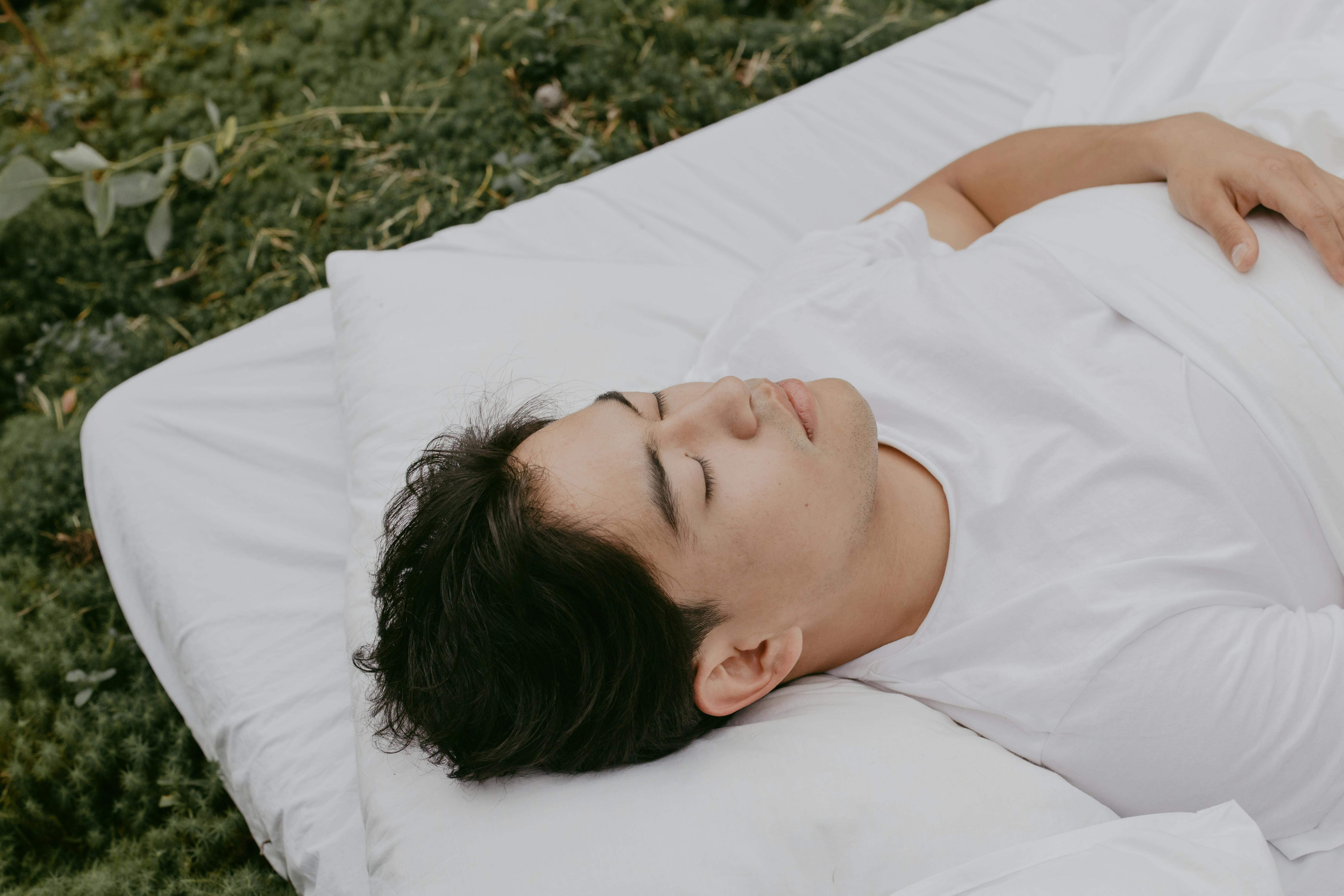
An overnight sleep study looks like an elaborate way to watch someone sleep. Each sensor exists because the conditions being distinguished are indistinguishable without that specific measurement.
Sleep stages require electrical recording
Sleep is scored using brain electrical activity, eye movement and chin muscle tone, because those three together define the stages rather than any one of them alone.
Rapid eye movement sleep is identified by the combination of active brain patterns, eye movement and near-absent muscle tone, a pairing that no other stage produces.
Without those channels there is no way to distinguish light sleep from deep sleep, or to know how much of the night was spent in each.
Breathing is measured in several ways at once
Airflow at the nose and mouth, chest and abdominal effort and blood oxygen saturation are recorded separately because the pattern among them identifies what kind of event occurred.
Effort continuing while airflow stops indicates an obstruction, whereas effort stopping alongside airflow indicates a different mechanism originating in the control of breathing.
That distinction matters clinically, and it is invisible from the outside since both look like a pause in breathing to anyone in the room.
Movement channels separate several conditions
Leg electrodes record periodic movements during sleep, which can fragment a night without the sleeper being aware of any of it.
Video and body position sensors matter because some breathing events occur mainly when lying on the back, and treatment decisions depend on knowing that.
Behavior during rapid eye movement sleep is also observed, since acting out dream content is a specific finding rather than ordinary restlessness.
Home testing covers part of the ground
Home sleep apnea tests record breathing, oxygen and effort, but usually not brain activity, so they cannot score sleep stages or confirm how long someone actually slept.
They are used when the clinical question is straightforward and the suspicion of obstructive apnea is high, which is a large share of referrals.
A negative home test in someone with strong symptoms often leads to a laboratory study, because the home version can miss what it does not measure.
Daytime testing answers a different question
Sleepiness itself is measured with structured daytime nap tests recording how quickly someone falls asleep across repeated opportunities under controlled conditions.
That protocol follows an overnight study, since interpreting daytime sleepiness requires knowing what the previous night contained.
Ordering, interpreting and acting on any of these belongs to a sleep physician, since the same recording supports different conclusions depending on the history behind it.