
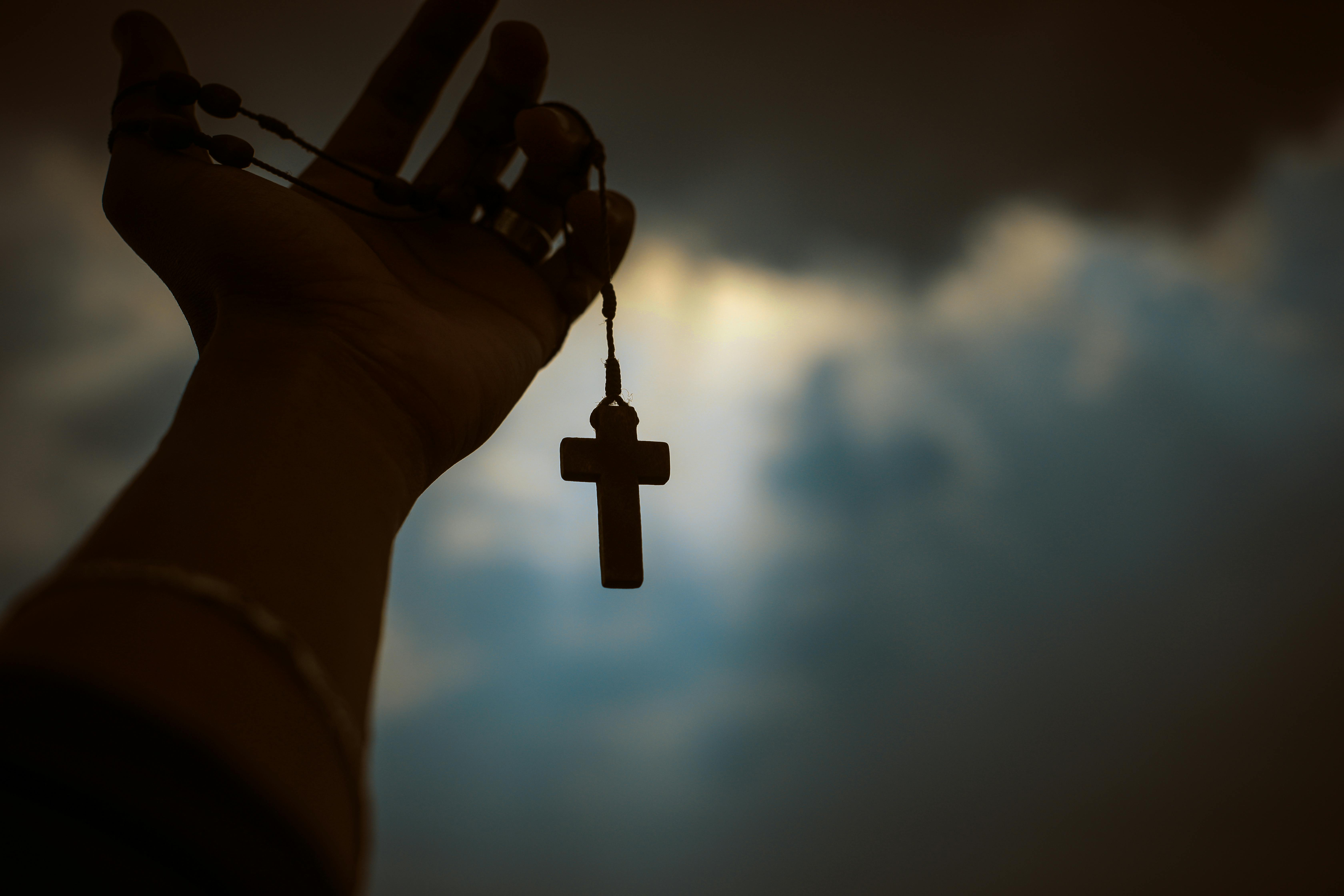
Deliberate silence turns up in traditions with no historical connection to each other, from monastic orders to Quaker meetings to contemplative practices in India and East Asia. The convergence suggests it performs functions that are not doctrine-specific.
Silence removes the ordinary demands of company
Being with other people normally requires continuous small responses: acknowledging, replying, managing the impression one is making.
Suspending speech removes that load while leaving the company intact, which produces a state available in almost no other social arrangement.
Participants in silent retreats commonly report this as the most striking feature, being with others without any obligation towards them.
It marks a boundary around a space or a period
Traditions use silence to signal that ordinary activity has been suspended, in the same way that particular clothing or a threshold does.
Because the change is immediate and requires no equipment, it is one of the cheapest available markers, which is likely why it recurs so widely.
The marking is also collective: everyone can hear that everyone else is observing it, which no private observance achieves.
It changes what becomes audible
Removing speech does not produce an absence of sound. Breathing, movement, weather and the building itself become perceptible.
Traditions frequently make use of this, arranging silence around a single sound such as a bell, a chant or footsteps so that it occupies the whole attentional field.
The same principle explains why deliberately quiet spaces are built with acoustics in mind rather than simply insulated from noise.
It functions as a discipline within communities
Monastic rules governing when speech is permitted are not only contemplative instruments; they regulate a community living in close quarters indefinitely.
Restricting talk limits the accumulation of friction, gossip and status competition that would otherwise develop in a group with no exit.
This administrative function sits alongside the spiritual one, and the rules typically specify exceptions for necessary communication, which indicates the practical purpose was understood.
It is demanding rather than restful
Extended silence is widely reported as difficult, particularly in the first days, because removing conversation removes a routine means of managing one's own mental state.
Retreat guidance in several traditions warns of this directly and builds in structure, since unsupported silence can intensify distress rather than relieve it.
Anyone with a history of significant mental health difficulty is usually advised to discuss an intensive silent retreat with a clinician beforehand rather than to treat it as ordinary rest.