
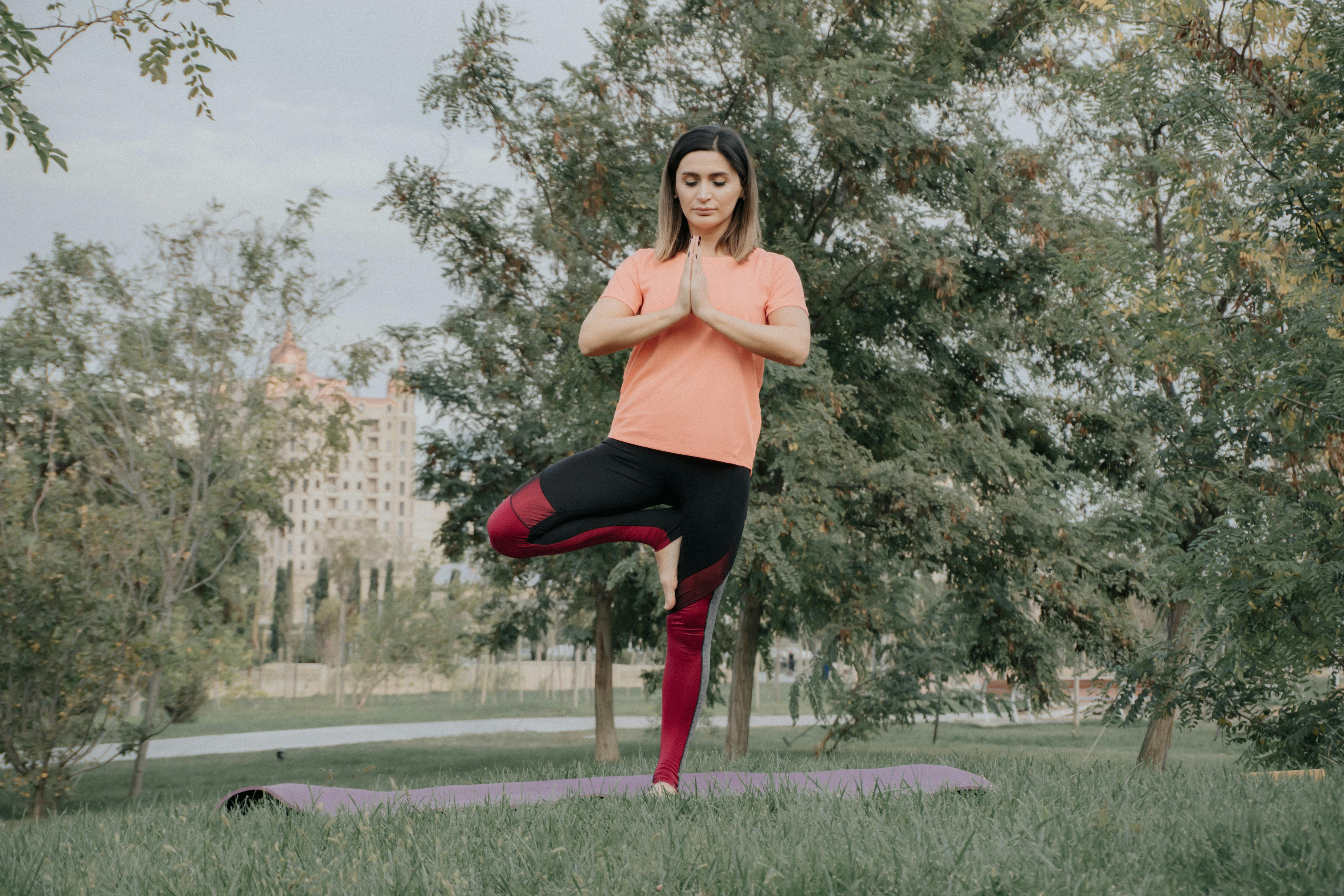
A yoga teacher walking through a room appears to be checking whether positions look right. What experienced teachers report attending to is narrower and mostly concerns how load is being distributed.
Compensation matters more than appearance
Two students can arrive at a visually similar position by entirely different routes, one distributing effort across a joint and the other borrowing range from somewhere else.
Borrowed range usually comes from the lower back, the neck or a shoulder, and it appears as a position that looks acceptable while loading a structure that was not intended to provide it.
Teachers are trained to look at the segments adjacent to the one being worked, because that is where compensation becomes visible before it produces symptoms.
Breathing is the fastest available signal
A student who has stopped breathing evenly is working beyond a sustainable intensity, and this is detectable from across a room.
Held breath frequently accompanies gripping through the jaw, hands and shoulders, so one signal reliably indicates several.
Because breath changes before anything else does, it is the earliest indication that a position needs modifying rather than encouraging.
Stability is assessed by looking at what is shaking
Trembling in a muscle being worked is an expected part of effort, while trembling in a joint that should be supporting is a different signal.
The distinction determines the response: one calls for holding the position a little longer, the other for reducing range or adding support.
Getting this wrong in either direction is common in less experienced teaching, and it is one of the clearer differences between instruction and supervision.
The room is watched as much as the individual
Teachers monitor how the group as a whole is responding, since several people struggling with the same transition usually indicates a problem with the sequence rather than with the students.
Pace is adjusted from this, which is why the same class plan is delivered differently to different groups.
It also affects where a teacher stands, since positions in which students cannot see a demonstration require the instruction to be carried entirely by voice.
Adjustment has become more cautious
Physical adjustment was once routine and is now approached far more carefully, with consent asked and hands-on contact used sparingly.
Part of that shift concerns consent, and part reflects a recognition that a hands-on correction can move a student past their own protective limit.
Anyone with an injury or a health condition is better served telling the teacher before the class, since a modification planned in advance works considerably better than one improvised mid-position.