
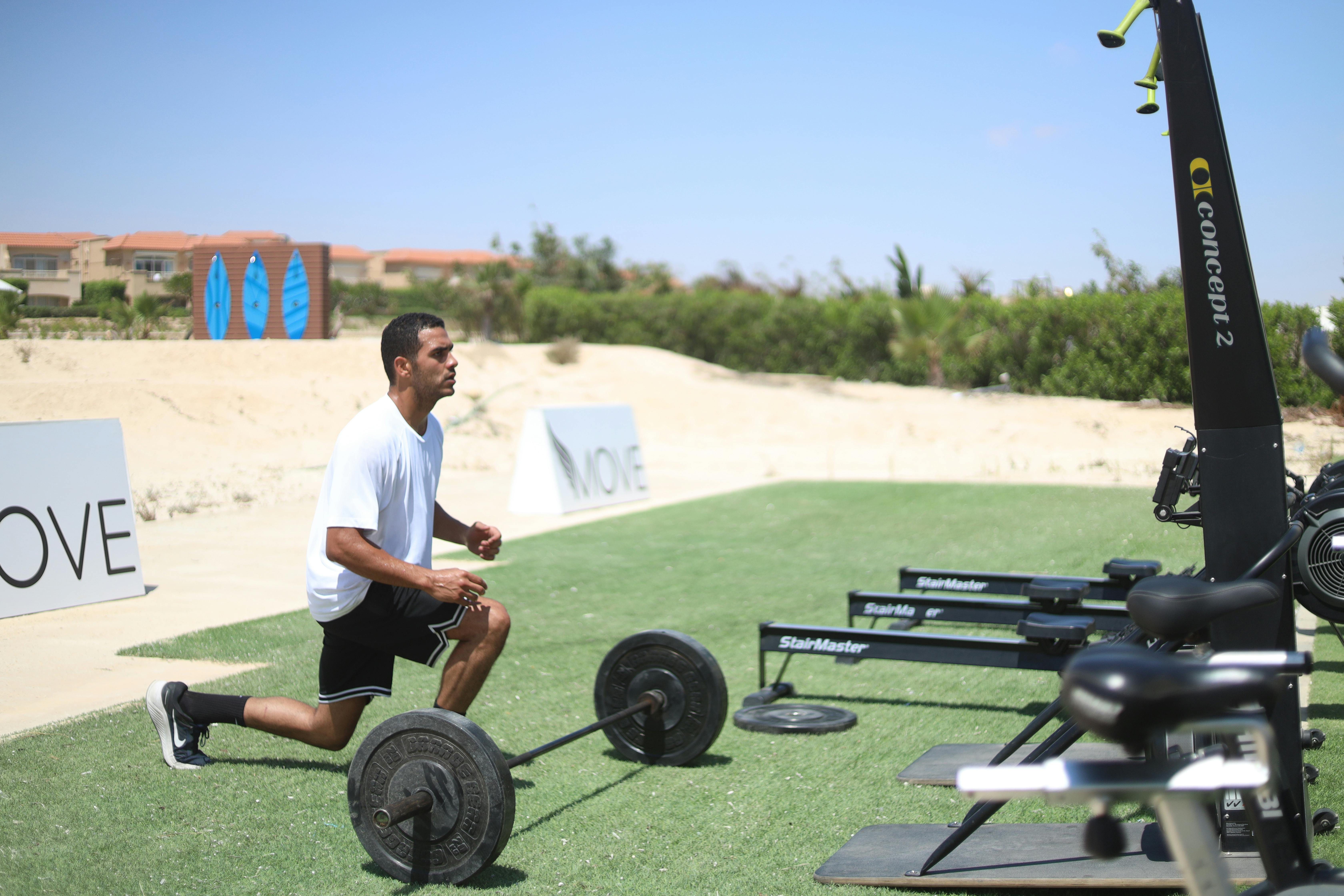
People who cannot sustain independent training will often attend the same class for years. The difference has less to do with the exercise and more to do with the conditions surrounding it.
The time is fixed by somebody else
A class happens at a set hour whether or not the participant is ready, which removes the daily question of when training will fit.
Solo training requires that question to be answered afresh against everything else the day contains, and it frequently loses.
Fixing the time externally converts an ongoing negotiation into a single decision made once at the point of booking.
Attendance is observed
Regulars are noticed when they miss, and being noticed changes behaviour even when nobody says anything about it.
The effect does not require friendship. Recognition by people whose names are unknown is sufficient to make absence feel like something rather than nothing.
This is why classes with a stable membership retain better than drop-in sessions with a changing population, and why the effect strengthens over months.
Pacing is removed from the participant
In a class the intensity, duration and rest intervals are set externally, so effort does not have to be self-regulated against fatigue.
Left to themselves, most people reduce effort as a session progresses, which is reasonable and also means the harder portions get shortened.
External pacing produces a more consistent session, and consistency across weeks matters more for adaptation than the quality of any individual session.
The starting friction is lower than it appears
Once a class is part of a routine, the participant only has to arrive. No programme has to be designed, no equipment selected, no decision made about what to do first.
Each of those small decisions is a point at which independent training can fail, and removing all of them removes several failure modes at once.
The trade-off is that the session is not tailored to the individual, which matters more for specific goals than for general activity.
Where the model breaks down
Group formats work poorly when a participant needs a modification, since the pacing that helps most people is exactly what makes it hard to work around an injury or a limitation.
Instructors vary enormously in how willing and able they are to adapt, and this is usually the difference between a class somebody stays in and one they quietly stop attending.
Anyone returning from injury or managing a health condition is better served by checking with the instructor beforehand, and where relevant with a clinician, than by discovering the constraint mid-session.